
Research Co-Investigators
CLUSTER has ten research Co-Investigators from seven partner university and university hospital trusts, these include University College London, University of Manchester, University of Liverpool, University Hospitals Bristol NHS Foundation Trust, University of Cambridge, Queen Mary University London and University of Surrey.
By collaborating together, this multi-disciplinary team of experts from the fields of molecular science, epidemiology, JIA arthritis, JIA uveitis and biostatistics, will ensure the CLUSTER consortium achieves its aims and objectives.

Arthritis Research UK Centre for Adolescent Rheumatology at UCL UCLH and GOSH, UCL GOS Institute of Child Health, London, UK
Lucy R Wedderburn, BA (Cantab), MBBS, FRCP, PhD, MRCPCH, FRSB
Professor and Consultant of Paediatric Rheumatology NIHR Senior Investigator CI, MRC-CLUSTER Consortium and Director
Lucy Wedderburn is a Professor in Paediatric Rheumatology at UCL (UCL GOS Institute of Child Health) and a Consultant at Great Ormond Street Hospital (GOSH).
Professor Wedderburn’s areas of interest are the immunology and pathogenic mechanisms of childhood arthritis, which is also called Juvenile Idiopathic Arthritis (JIA) and childhood myositis, also called Juvenile Dermatomyositis (JDM). She has a regular clinic where she sees children with arthritis and a range of other rheumatology conditions.
She runs a research team that investigate the mechanisms and different types of these diseases, as well as what controls response to treatment, and how to better stratify patients for clinical trials and new treatments.
As well as her role in CLUSTER, she is the Director of the Centre for Adolescent Rheumatology Versus Arthritis at UCL, UCLH and GOSH, deputy Director of the NIHR-funded Biomedical Research Centre at GOSH and Chief Investigator of the UK-wide JDM Cohort and Biomarker Study.
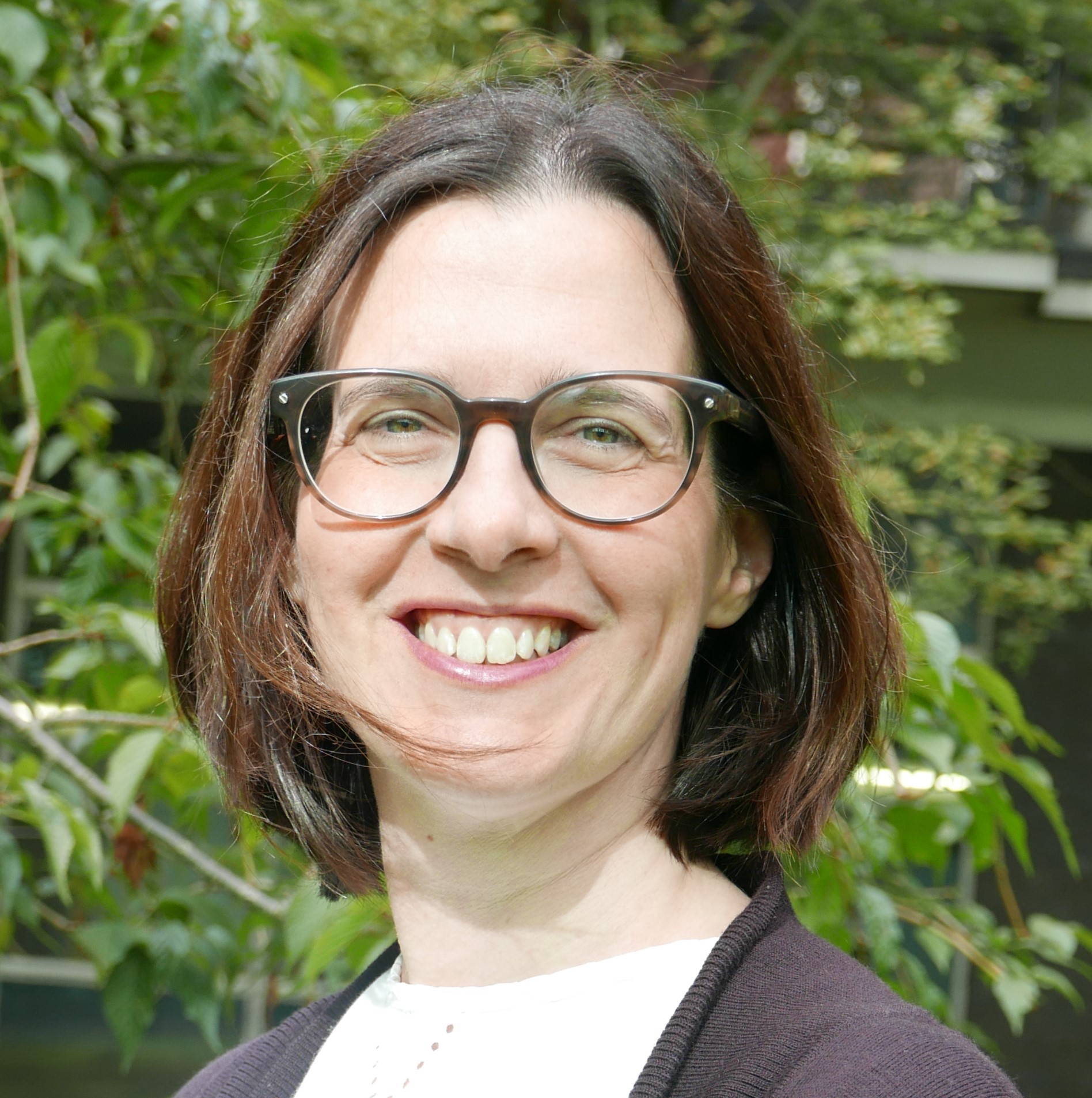
Epidemiologist, centre for musculoskeletal research, University of Manchester.
Consultant rheumatologist, Kellgren centre of rheumatology, Manchester university hospitals NHS Trust, Manchester, NHS
Kimme Hyrich, MD, PhD, FRCP (Canada)
Professor Kimme Hyrich is an epidemiologist at the Centre for Musculoskeletal Research and a Consultant Rheumatologist in the Kellgren Centre for Rheumatology at Manchester University Hospitals NHS Foundation Trust.
Her main research interests are to understand the short and long-term outcomes in adult and childhood inflammatory arthritis, including a greater understanding of the role treatments play in these outcomes.

Chair, Division of Musculoskeletal & Dermatological Science, School of Biological Science, Manchester Academic Health Science Centre, University of Manchester, Manchester, UK
Steve Eyre, PhD
I have been involved in researching the genetic susceptibility to rheumatoid arthritis (RA) since I joined the Arthritis Research Centre of Excellence, based at the University of Manchester, UK in 1996.
Initially focussing on linkage studies using the large collection of family samples collected at the Centre as part of the National Repository, I quickly moved onto genome wide association studies (GWAS), as part of the Wellcome Trust Case Control Consortium (WTCCC), before leading on the fine-mapping of RA loci in the Immunochip study (Nature Genetics, 2012).
This study used over 27,000 samples and led to the discovery of 14 new RA susceptibility loci. In recent years my lab has focussed on understanding the mechanisms by which these DNA variants lead to an increase risk of disease.
In collaboration with Peter Fraser (Babraham, Cambridge) and Chris Wallace (University of Cambridge), my group has developed methods to interrogate the regions that are associated with RA, mainly regulatory enhancer regions, to determine the interacting gene targets. Using this Capture HiC methodology we are discovering how long range interactions, often involving multiple regions associated with different autoimmune diseases, regulate gene expression.
In addition I have established collaborations with Soumya Raychaudhuri (Harvard Medical School, Boston), Caroline Ospelt (Zurich) and David Sansom (UCL), to look at the immunological, epigenetic and non-coding RNA consequences of the RA associated regions. These methods include ChIP, ATAC-Seq, RNA-seq and CRISPR genome editing.

Director of UCL-Institute of Ophthalmology and Duke-Elder Chair, UCL. London, UK
Professor of Ophthalmology, University of Bristol
Bristol, UK
Andrew D Dick BSc(hons), MD, MBBS, FRCS, FRCP, FRCOphth, FMedSci, FRBS
Professor Andrew Dick is Director of UCL-Institute of Ophthalmology and Head of the Academic Unit of Ophthalmology at the University of Bristol, leading ocular immunologist and translational physician in England & Wales and clinician/scientist in the introduction of novel biologic therapy for severe sight threatening ocular inflammatory disease.
Having developed this field in the first instance some twenty years ago he continues to investigate and introduce other potential and better stratified and personalised treatments for patients under his care through understanding of fundamental biology in experimental models and experimental translational medicine in man.

Professor of Health and Bioinformatics at the University of Surrey
Surrey, UK
Nophar Geifman, PhD
My interests lie in data sciences within healthcare and medicine; extending the use of artificial intelligence and big-data analytics to improve patient-centric predictions, treatment and outcomes, while also enhancing the open sharing of biomedical data. I have developed and employed a wide range of AI methods and applications, from text mining to machine learning, with the overarching goal of producing translational research with real-world impact.
My research centres on patient stratification, and biomarker discovery from large, diverse clinical and ‘omics’ datasets; applying informatics techniques, AI and machine learning for discovery in various areas of medicine, particularly where conventional research methods have over-simplified the inherent complexity of disease and care.
I completed my postdoctoral training with Professor Atul J. Butte at Stanford University and the Institute for Computational Health Sciences at the University of California, San Francisco, and hold a PhD and Master’s degree in Medical Sciences (Biomedical Informatics) and an undergraduate degree in Biology. I have extensive working knowledge of clinical trial data analysis, application of machine learning approaches, analysis of ‘omics’ datasets, bioinformatics techniques, mining of medical records, and big data integration; as well as knowledgebase modelling and construction. I am a Fellow of the Higher Education Academy and have a strong interest in new methods to teach AI and informatics.

Brough Chair, Professor of Child Health, University of Liverpool. NIHR Clinical Research Network: Specialty Cluster Lead for Children, Reproductive & Childbirth, Musculoskeletal, Ophthalmology and Haematology. Honorary Consultant Paediatric Rheumatologist Director, Liverpool Health Partners ‘Starting well’ Program
Director, NIHR Alder Hey Clinical Research Facility
Director, UK Experimental Arthritis Treatment Centre for Children, Liverpool, UK
Michael W Beresford, MBChB MRCP(UK) MRCPCH PhD
Professor Beresford is Specialty Cluster Lead of the National Institute of Health Research (NIHR) Clinical Research Network (CRN) Specialty Cluster Hub including the National Specialty Groups of Children, Reproductive and Childbirth, Musculoskeletal, Ophthalmology and Haematology research, along with the emerging innovations ‘Stratified/Personalized Medicine’ and ‘Starting well’.
He is Director of the NIHR Alder Hey Clinical Research Facility for Experimental Medicine, Director of the UK’s only ‘Experimental Arthritis Treatment Centre for Children’ and Director of Liverpool Health Partner’s ‘Starting well’ Program.
He has an international reputation in Paediatric Rheumatology including clinical trials and translational science, is Executive member of the Paediatric Rheumatology European Society, and Chief Investigator of Co-Investigator on >£20M of grant funding.
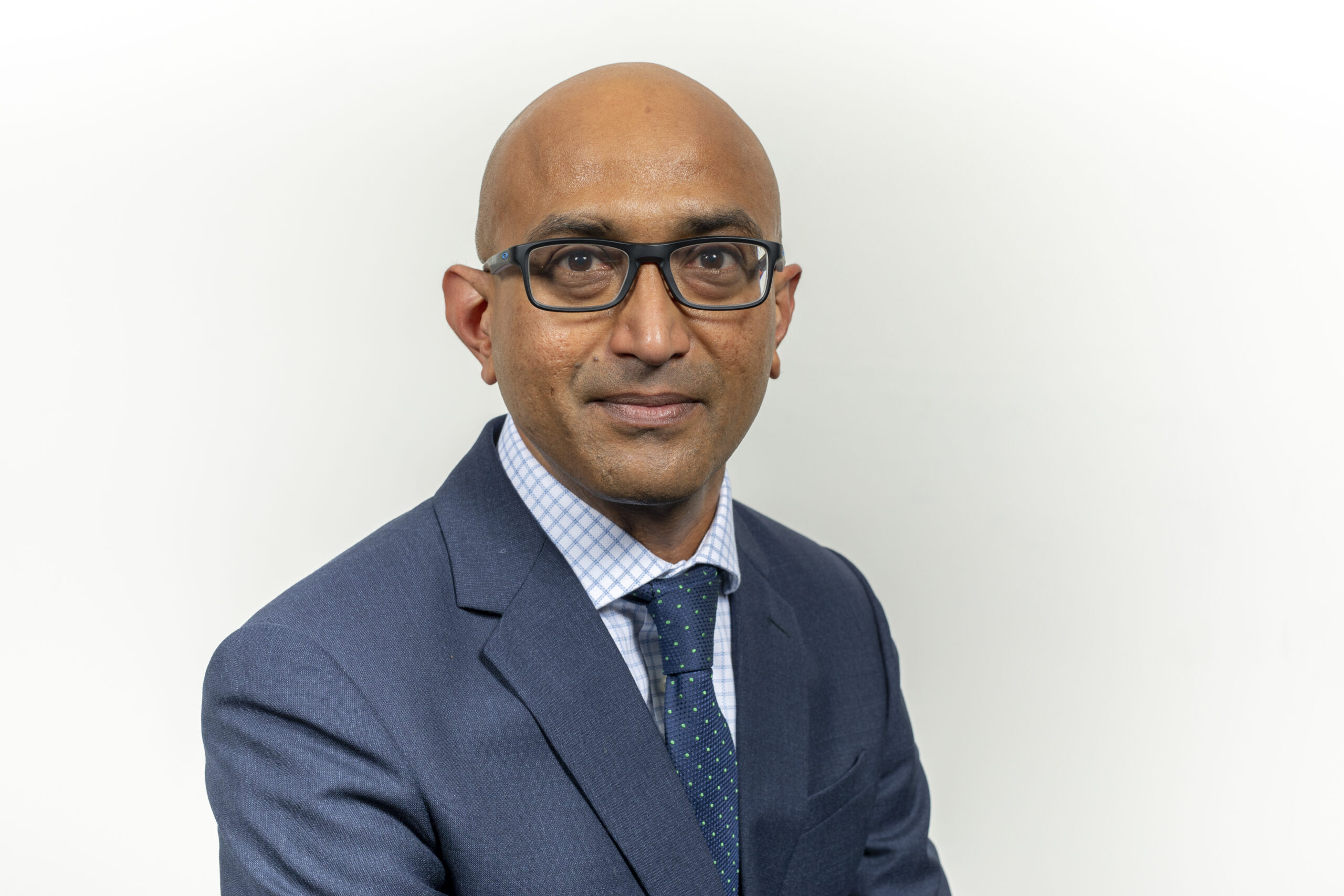
Consultant Paediatric Rheumatologist
Bristol Royal Hospital for Children
Co-Chair, NIHR CRN: Children /Arthritis Research UK Paediatric Rheumatology CSG
Joint Lead for Research, Division of Women and Children, University Hospitals Bristol NHS Foundation Trust
Associate Director, UK Experimental Arthritis Treatment Centre for Children (JIA -Uveitis and Industry workstreams) Bristol, UK
Athimalaipet Ramanan, FMedSci
Athimalaipet V. Ramanan is a consultant pediatric rheumatologist at the Bristol Royal Hospital for Children. He is the joint lead for research (Division of Women and Children) at the Bristol Royal Hospital for Children, and Professor of Paediatric Rheumatology at the University of Bristol. He was elected Fellow of Academy of Medical Sciences UK in 2023.
Professor Ramanan is a medical advisor for Olivia’s Vision. He was awarded the British Society of Rheumatology’s Innovation in Clinical Practice Award in 2010. He was also awarded the University of Bristol Vice Chancellor’s Health Impact award in 2017 and Royal College of Physicians/NIHR CRN Award for outstanding contribution to research in 2018.
Professor Ramanan’s has published >250 articles and numerous book chapters covering a variety of topics in the field of rheumatology. He is the Co-Editor of Rheumatology and Associate Editor for the Archives of Diseases in Childhood.
He is one of the Editors of 5th Edition of Oxford Textbook of Rheumatology.
He has also led pivotal trials of Tocilizumab and Baricitinib in COVID-19 and part of the paediatric steering committee of the RECOVERY trial.

Wellcome Trust Senior Research Fellow
University of Cambridge, Cambridge Biomedical Campus, Wellcome Trust/MRC Building, Cambridge, UK
Chris Wallace, PhD
Chris Wallace is a Wellcome Trust Senior Research Fellow at the University of Cambridge and joined the MRC BSU as an honorary Programme Leader in February 2016. Prior to this, she held fellowships from the Wellcome Trust and the British Heart Foundation at other institutes in Cambridge and Queen Mary University of London, where she worked on various aspects of statistical genomics. Her focus is on the twin goals of using genomic analysis to make meaningful contributions to the understanding of human autoimmune disease and the development of statistical methodology to enable these contributions.
Chris Wallace’s research programme has three complementary aims. First, to develop the statistical tools needed to identify genetic associations with disease, then robustly and empirically link each genetic association with a gene, cell type, stimulatory condition and ultimately a biological pathway. Specifically, this requires methods for:
horizontal integration of different layers of omics data
mapping the variants which regulate gene expression
“fine mapping” causal genetic variants from amongst associated variants in genetic association data, typically using sparse variable selection
“fine mapping” regulatory contacts in 3D maps of folded DNA from technologies such as promoter capture Hi-C

Reader in Bioinformatics and Director of the Centre for Translational Bioinformatics.
William Harvey Research Institute – Barts and the London, Queen Mary University, London, UK
Michael Barnes, PhD
Professor Michael Barnes holds a B.Sc. in Applied Biology and Ph.D. in Molecular Genetics from Cardiff University. After completing a postdoctoral fellowship at University of Wales, Bangor, he joined GlaxoSmithKline to lead a computational biology team focused on the use of genetic, genomic and chemogenomic approaches for drug discovery and patient stratification. At GSK he championed pre-competitive collaboration among pharma and academia and co-led an EFPIA team of pharmaceutical companies to gain €10M Innovative Medicines Initiative (IMI) funding for the OpenPhacts project, which constructed “an open pharmacological space” – a suite of public bio- and cheminformatics resources for drug discovery.
Michael now serves on the scientific advisory board of the OpenPhacts project. Michael is also passionate about improving the translational and collaborative interface between industry and academia. After fourteen years at GSK, Michael joined the William Harvey Research Institute (WHRI) in 2012 as the Director of Bioinformatics.
His team now collaborate with all research areas of the WHRI and many researchers at the Blizard Institute, bringing a focus on the application of computational biology and bioinformatics to improve translational research.
Past Members

Arthritis Research UK Centre for Genetics and Genomics
Centre for Musculoskeletal Research
School of Biological Sciences
Manchester Academic Health Science Centre.
University of Manchester,
Manchester, UK
Wendy Thomson, PhD
Professor of Genetic Epidemiology.
Deputy Director Arthritis Research UK Centre for Genetics and Genomics.
Deputy Lead Division of Musculoskeletal and Dermatological Sciences.
Research Lead for the Childhood Arthritis research programme, Patient, Public Involvement, and Engagement Academic Lead within the Musculoskeletal theme of the NIHR Manchester Biomedical Research Centre.
Centre for Musculoskeletal Research PPIE lead.
NIHR Manchester Biomedical Research Centre Patient and Public Involvement and Engagement Lead for the Musculoskeletal theme.

Visiting Professor in Genetics, University of Manchester; Professor of Medicine, Harvard Medical School; Director, Center for Data Sciences, Brigham and Women’s Hospital; Associate Member, Broad Institute, Boston, MA, USA.
Soumya Raychaudhuri, MD, PhD
Serves as the Director for the Center for Data Sciences (BWH, HMS) and is appointed as an Associate Member at the Broad Institute. Additionally he is clinically active and sees patients at Brigham and Women’s Hospital Arthritis Center. After completing his MD/PhD at Stanford University, Raychaudhuri pursued clinical training in internal medicine, and then went on to pursue subspecialty training in rheumatology at Brigham and Women’s Hospital. He concurrently completed postdoctoral training in human genetics at the Broad Institute with Dr. Mark Daly.
Since joining the faculty at Harvard Medical School in 2010, he has contributed to the understanding of the genetic basis of rheumatoid arthritis and other immune-mediated diseases. He has also been at the forefront of devising statistical and computational methods to localize genetic association signals to causal variants, and to interpret human genetic data in the context of functional information. He currently has active research programs in the human genetics and functional genomics of tuberculosis, type I diabetes, and rheumatoid arthritis, with a specific focus on using genomic strategies to understand CD4+ T cell biology.